

PawTenant
Dog walking outdoors on a lead

Airline Pet & ESA Policy Guide 2026

Airline policies for Emotional Support Animals have changed significantly since 2021. If you are planning to fly with an Emotional Support Animal (ESA) or Psychiatric Service Dog (PSD), understanding the current rules can help you prepare for your journey, avoid unexpected pet fees, and arrange the correct documentation.

Start Your ESA Assessment

In 2026, U.S. airlines generally treat ESAs as pets for air travel, while qualifying Psychiatric Service Dogs may travel in the cabin under applicable disability access rules. The requirements can vary by airline, route, and destination, so it is important to check your airline's current policy before booking.

Important Policy Change (2021 → 2026)

In January 2021, the U.S. Department of Transportation's revised Air Carrier Access Act (ACAA) rules took effect, allowing airlines to stop recognizing Emotional Support Animals as service animals for air travel. This policy remains in effect in 2026.

As a result, most airlines treat an emotional support animal on a plane under their standard pet policies. Passengers may need to pay a pet fee, follow carrier-size restrictions, use an approved carrier, and meet other airline requirements.

A Psychiatric Service Dog (PSD) is different. A qualifying PSD is a dog individually trained to perform specific tasks related to a person's disability. Airlines covered by the applicable U.S. rules generally must accommodate eligible service dogs in the cabin, subject to requirements such as required documentation, animal behavior, and safety.

Remember that an ESA letter does not automatically make an animal a service animal for flying. If you want to understand the distinction in more detail, read PawTenant's guide to service animals vs. ESAs.

Woman sitting beside her dog in a living room

ESA vs. Psychiatric Service Dog for Flying

Understanding the difference between an ESA and a PSD is important when planning air travel. The key distinction is whether the dog has been individually trained to perform disability-related tasks.

Emotional Support Animal (ESA)

  • Provides emotional comfort through companionship.
  • Does not need specific task training to provide emotional support.
  • May qualify for certain housing protections under applicable fair housing laws.
  • Is generally treated as a pet by airlines in 2026.
  • May be subject to standard airline pet fees, carrier limits, and other pet travel rules.

An ESA letter may support a housing accommodation request when the applicable requirements are met, but it does not guarantee free air travel or cabin access. Learn more about housing documentation in PawTenant's guide to ESA housing rights.
Psychiatric Service Dog (PSD)

  • Performs specific tasks related to a person's disability.
  • Must be individually trained to carry out those tasks.
  • May perform tasks such as interrupting a panic response or reminding a handler to take prescribed medication.
  • Can qualify for public access protections under the Americans with Disabilities Act (ADA) and air travel protections under the ACAA, where applicable.
  • May travel in the aircraft cabin without a standard pet fee when the dog qualifies and the airline's applicable requirements are met.

A PSD is not defined simply by providing comfort. The dog must be trained to perform disability-related work or tasks. An identification card, vest, registration, or letter alone cannot replace the required training.

Airline ESA and Pet Policy Guide 2026 — Flying With Emotional Support Animals and Psychiatric Service Dogs

Before flying, check your airline's rules for traveling with pets and service dogs. Policies can differ regarding advance notice, carrier dimensions, fees, required forms, and international travel.

If you are flying with an ESA, confirm whether the airline accepts animals in the cabin, what type of carrier is required, and whether your animal meets its size and behavior requirements. Do not assume that an ESA letter waives pet fees.

If you are traveling with a qualifying PSD, ask the airline which service-animal forms are required for your route. U.S. airlines may require the applicable U.S. Department of Transportation service animal forms, including information about the dog's training, health, and behavior. Some itineraries may have additional requirements.

For international trips, check both airline rules and the destination country's animal entry regulations. These may include health certificates, vaccination records, microchip requirements, import permits, or quarantine rules.

Preparing early can help prevent last-minute problems at the airport. Keep required documents accessible and make sure your dog can remain under control throughout the journey.

Need a PSD Letter for Flying?

If you live with a mental health condition and believe a dog may help you manage disability-related needs, you can explore whether a Psychiatric Service Dog is appropriate for your situation. Eligibility depends on your individual circumstances and the applicable requirements.

A PSD must be trained to perform specific tasks related to a disability. A letter or assessment does not, by itself, train a dog or guarantee airline acceptance. Airlines may still require the appropriate forms and may assess whether the dog meets applicable behavior and safety requirements.

PawTenant offers an online assessment pathway for people seeking information about PSD-related documentation. You can begin here:

For more information about the distinction between an ESA and a service dog, visit All About Service Dogs.

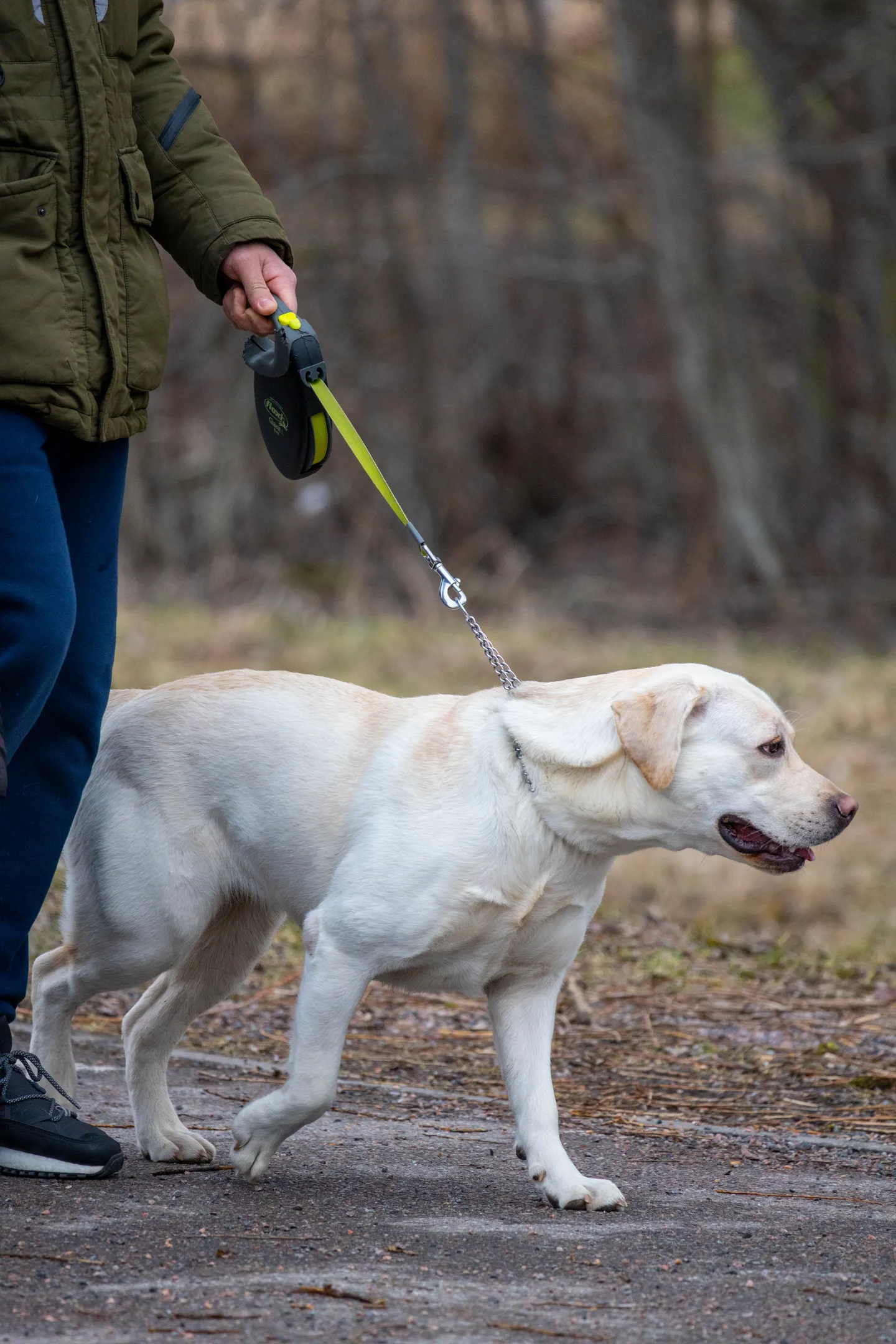
Labrador walking on a lead beside its owner

Frequently Asked Questions

1. Can I fly with my ESA for free in 2026?

Usually, no. U.S. airlines generally treat Emotional Support Animals as pets rather than service animals. Standard pet fees and carrier requirements may apply. Always check your airline's current rules before booking.

2. What is the difference between an ESA and a Psychiatric Service Dog for flying?

An ESA provides emotional comfort through companionship, while a Psychiatric Service Dog is individually trained to perform specific tasks related to a person's disability. Qualifying PSDs may receive in-cabin access under applicable air travel rules, while ESAs are generally subject to pet policies.

3. Can I get a PSD letter from PawTenant for airline travel?

You can begin with PawTenant's online assessment at pawtenant.com/assessment. Whether documentation is appropriate depends on your individual circumstances. A letter alone does not establish service-dog status or guarantee airline approval; the dog must meet the applicable service-animal requirements.

4. What documentation do airlines require for a Psychiatric Service Dog?

Depending on the airline and itinerary, passengers may need to submit applicable U.S. Department of Transportation service-animal forms before travel. Airlines may also have submission deadlines and additional procedures. Confirm the exact requirements directly with your carrier.

5. What if I need my ESA while traveling internationally?

International airline and destination-country rules may differ. Your ESA may be treated as a pet, and you may need to meet carrier, health, vaccination, import, or quarantine requirements. Contact the airline and check the destination's entry rules before departure.