New York ESA Laws: Housing Protections That Matter
Paul Winston
ESA Specialist
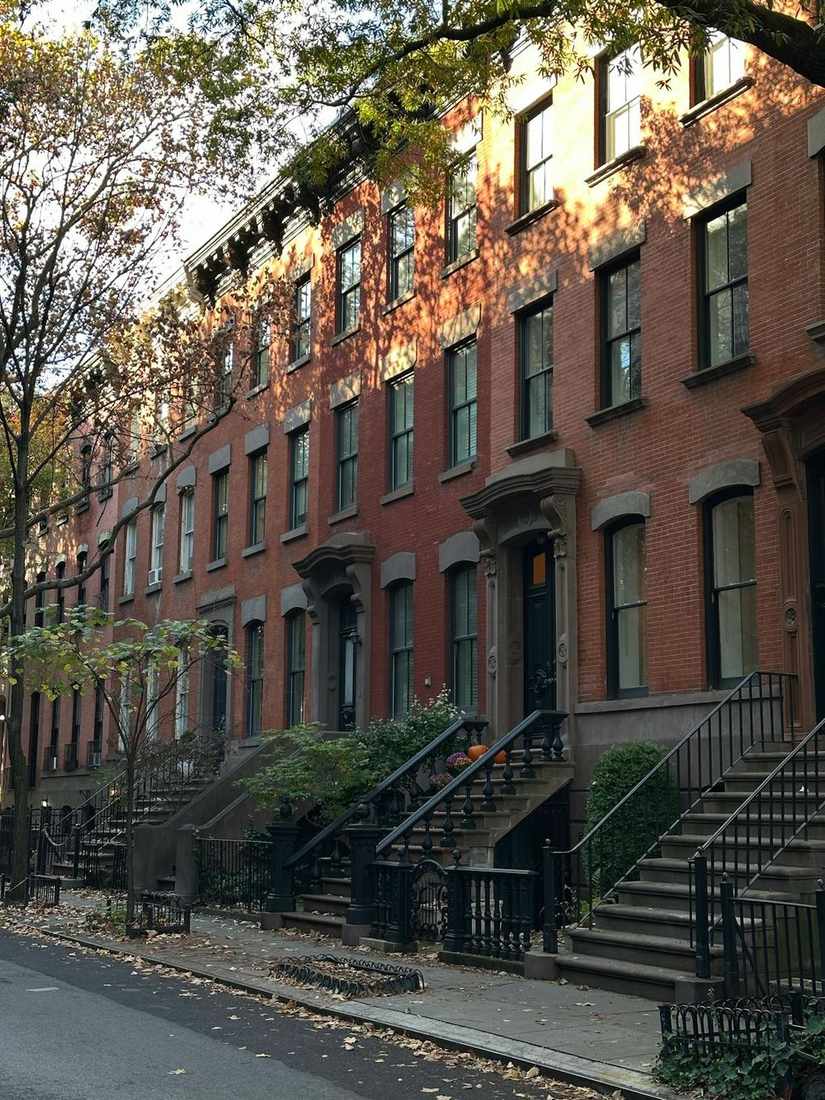
If you live in New York and rely on an emotional support animal (ESA), you already know how important housing protections are. New York has some of the strongest tenant protections in the country.
How FHA & New York State Rules Work Together
The Fair Housing Act (FHA) is the main federal law that protects tenants with ESAs across the United States. It requires landlords to make 'reasonable accommodations' for people with disabilities. In New York, state law goes even further. The New York State Human Rights Law (NYSHRL) adds another layer of protection. Together, these two legal frameworks create one of the strongest tenant rights systems in the country. Landlords cannot charge pet deposits for ESAs, they cannot enforce breed, size, or weight limits on ESAs, and both laws apply to private rentals, condos, co-ops, and university housing. If you're discriminated against, you can complain under either law or both — with two channels increasing your chances of success.
How to Qualify & Get a Valid ESA Letter in New York
People who suffer from mental or emotional health challenges may qualify for an ESA. Common conditions include anxiety disorders, depression, PTSD, panic disorders, social phobias, learning disabilities, and other emotional or psychological challenges. To be recognized under ESA laws in New York housing, you need an ESA letter from a licensed mental health professional (LMHP). Steps include: consulting a professional (psychologist, therapist, counselor, psychiatrist, or another LMHP licensed in New York), undergoing a proper evaluation, and receiving your letter. The letter must be issued by a licensed New York provider, should clearly link your ESA to your mental health needs, and online-only certificates without real evaluations are not valid.
Requesting Accommodation: Templates & Timelines
Having an ESA letter is only the first step — formally requesting accommodation from your landlord brings those protections to life. Put your request in writing (a simple letter or email), attach your ESA letter, and keep your medical info private (only the ESA letter is needed; your full medical records are not required). Once you've sent the request, keep a copy for your records and ask for written confirmation. In many cases, landlords must respond within 10–30 days. If they ignore you beyond that, it could be treated as a violation. A polite accommodation request might read: 'Dear [Landlord's Name], I am requesting reasonable accommodation under New York and federal housing laws for my Emotional Support Animal. My licensed provider has confirmed my need (see attached ESA letter). Please let me know if you need additional information.'
When Can Landlords Deny & What They Cannot Do
ESA laws are designed to protect tenants, but they do not guarantee automatic approval in every case. Landlords still have the right to refuse under certain conditions. Legitimate grounds for denial include: if your ESA has a history of biting or violent behavior, if accommodating the ESA would create major unreasonable costs, or if your ESA letter in New York is fake or from an unlicensed source. What landlords cannot do: they cannot deny based on size, breed, or weight; they cannot deny because of 'no pets' policies; and they cannot demand extra deposits or fees. If your ESA is denied unfairly, you can take legal action through HUD or the New York Division of Human Rights.
Still unsure if you qualify?
Take our free 2-minute assessment. Get your ESA letter same-day from a licensed professional — 100% money-back guarantee.
College Housing & the 30-Day Rule in New York
Students living in New York don't lose their rights when they move into campus housing. Whether it's a university, community college, or private college, these institutions are required to follow the same housing rules set out under the Fair Housing Act (FHA). A valid ESA letter from a New York licensed provider must be accepted by campus housing, schools cannot charge pet fees for ESAs in dorms, and the protection only applies to housing — not classrooms, libraries, or dining halls. Many landlords in New York operate under an informal 30-day rule, meaning once you submit your ESA accommodation request, the landlord has about 30 days to reply. Courts in New York often interpret delays longer than 30 days as potential violations. To protect yourself: keep a copy of your request, date your documents, and follow up if you hear nothing within 2–3 weeks.
FAQs About New York ESA Laws
Do landlords in New York have to accept emotional support animals? Yes. Under both federal and state law, landlords generally must accept emotional support animals, even if they normally have a 'no pets' policy. Can a landlord charge pet rent or deposits for an ESA in New York? No. Emotional support animals are not considered pets, so landlords cannot charge extra fees, deposits, or monthly rent for them. How long does a landlord have to respond to an ESA request in New York? Typically 10–30 days. Long delays without explanation can be treated as a violation. Do ESA protections apply to college dorms in New York? Yes. Colleges and universities must allow approved ESAs in student housing, though protections do not extend to classrooms, libraries, or dining halls.
Tags
ESA Letters by State
Get state-specific ESA housing guidance
More New York ESA Guides
5 articles covering New York housing rights