PawTenant
Handler working with a dog

Everything You Need to Know About Service Dogs

Service dogs help people with disabilities by performing specific tasks that support their daily lives. From guiding people with visual impairments to helping individuals manage psychiatric symptoms, these specially trained dogs can make everyday activities safer and more accessible. Understanding service dog requirements, legal protections, and training is important if you are considering a service dog for yourself or a loved one.

Start Your ESA Assessment
  • Licensed provider evaluation
  • Task-trained service dog focus
  • Refund available if you do not qualify, subject to PawTenant’s applicable policy

This guide explains the difference between service dogs and emotional support animals, how psychiatric service dogs work, what training involves, and how a Psychiatric Service Dog (PSD) letter may fit into the evaluation process.

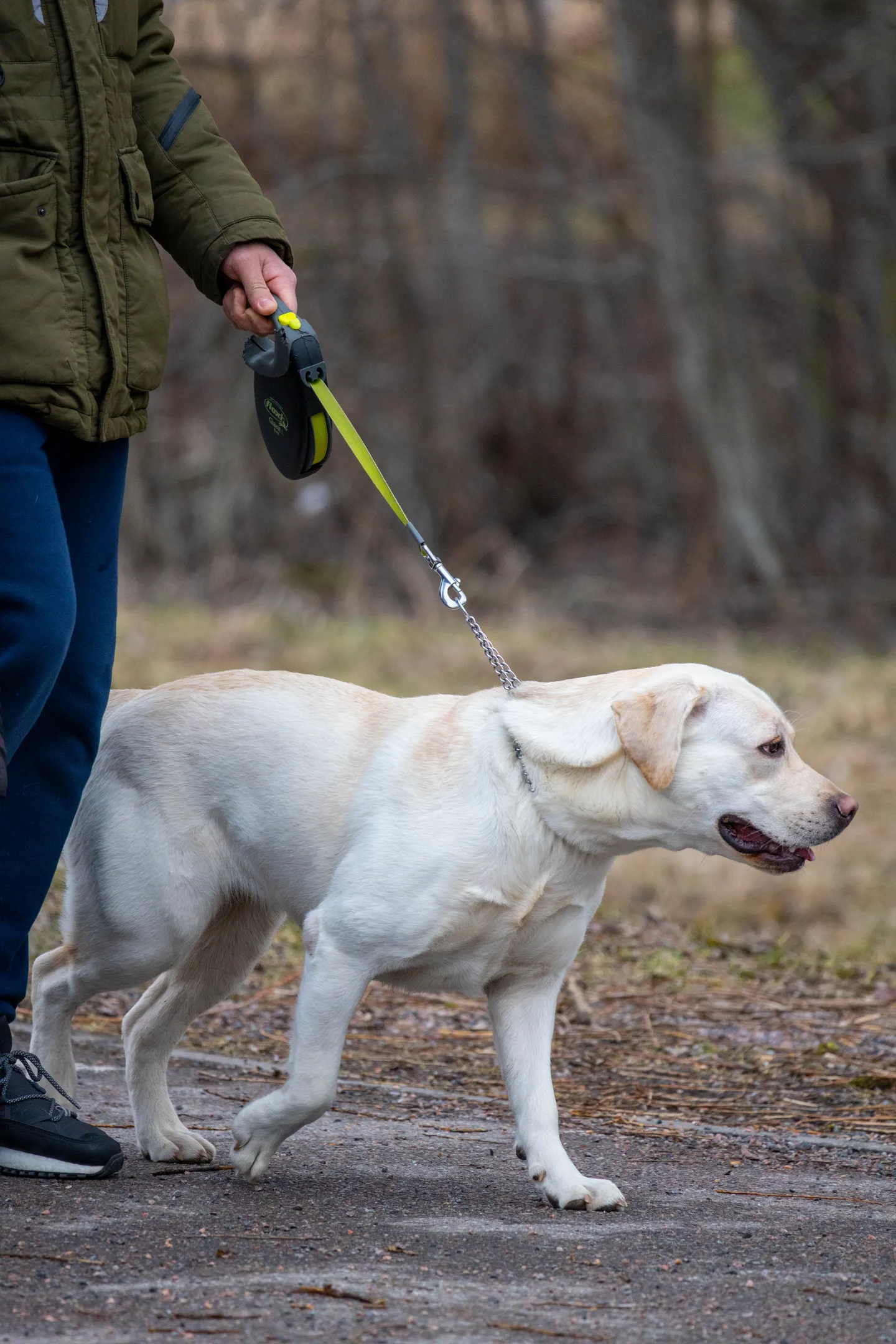
Labrador walking on a lead beside its owner

What Is a Service Dog?

A service dog is a dog individually trained to perform specific tasks for a person with a disability. These tasks must be directly related to the person's disability. For example, a service dog may guide a person who is blind, alert someone to certain medical changes, retrieve needed items, or perform trained actions that help a person manage a psychiatric disability.

Service dogs are different from pets and emotional support animals because their role includes disability-related task training. A dog’s friendly personality or ability to provide comfort does not, by itself, make the dog a service dog.

Under the Americans with Disabilities Act (ADA), qualifying service dogs generally have access to places open to the public, subject to applicable rules. To learn more about the distinction, visit PawTenant’s guide to service animals vs. emotional support animals.

The Americans with Disabilities Act (ADA) provides public-access protections for people with disabilities who use qualifying service dogs. In many situations, businesses and public facilities must allow service dogs to accompany their handlers where customers or members of the public are normally permitted.

However, service-dog rights depend on the applicable law and setting. Public access, housing, air travel, and workplace accommodations are not all governed by the same rules.

For housing, the Fair Housing Act (FHA) and other applicable laws may protect people who need an assistance animal because of a disability. Housing providers must assess accommodation requests under the rules that apply to the situation. The legal category of the animal, the person's disability-related need, and relevant exceptions can all matter.

A service dog does not automatically guarantee approval for every housing or travel request. If you are seeking an emotional support animal accommodation rather than public access for a trained service dog, explore PawTenant’s guide to ESA housing rights.

Service Dog Training and Certification

Service dog training prepares a dog to perform specific tasks reliably and behave appropriately in public settings. Training may begin with basic obedience, including commands such as sit, stay, come, and heel. The dog then learns the disability-related tasks its handler needs.

Socialization is also important. A service dog may need to remain calm around crowds, unfamiliar environments, noises, other animals, and unexpected distractions. The goal is not simply to teach commands, but to help the dog perform its trained tasks safely and consistently.

Some organizations offer service-dog training programs or voluntary certificates. However, service dog certification is not generally required under the ADA, and there is no official national registry or certificate that independently gives a dog service-dog status. The key question is whether the dog meets the applicable legal definition, including the required individual task training.

A PSD letter is also not a training certificate. It may document a person's disability-related clinical need for a psychiatric service dog, but it does not train the dog or establish service-dog status on its own.


Man sitting on a porch beside his dog

Get Your PSD Letter Now

A psychiatric service dog may be helpful for some people whose mental health conditions substantially affect daily activities. If you are considering one, an individual evaluation can help determine whether a psychiatric service dog is clinically appropriate for your circumstances.

PawTenant connects people with licensed providers for evaluations. The provider determines eligibility based on the individual assessment; approval is not guaranteed.

Start Your PSD Assessment | Learn how to get a PSD letter

Top Service Dog Breeds

Many breeds can become service dogs when they have the appropriate temperament, health, and training. Breed alone does not determine whether a dog is suitable. The individual dog's abilities and the tasks required by its handler are more important.

Labrador Retriever

Labrador Retrievers are commonly selected for service work because many are trainable, sociable, and eager to work. Depending on the individual dog and its training, a Labrador may assist with guiding, retrieving items, or other disability-related tasks.

Golden Retriever

Golden Retrievers are often considered for service work because of their trainability and generally people-oriented temperament. As with any breed, a particular dog's health, behavior, and ability to perform required tasks determine suitability.

German Shepherd

German Shepherds can be suitable for some service roles because of their intelligence and working ability. They may require careful selection and training to ensure that their behavior and temperament are appropriate for the handler's needs and public environments.

Poodle

Poodles, including Standard Poodles, are intelligent and often learn tasks quickly. Some handlers also consider them because they may shed less than certain other breeds, although no dog is completely allergen-free.

Border Collie

Border Collies are highly intelligent and energetic. Some individuals may be suited to specialized tasks, but their activity levels and need for mental stimulation mean they are not the best match for every handler.

Bernese Mountain Dog

Some Bernese Mountain Dogs may be considered for tasks that benefit from a larger, strong dog. Their size, health, temperament, and ability to work comfortably in public settings should be considered before choosing one.

Remember: No breed is automatically a service dog. The dog's individual training, behavior, and ability to perform disability-related tasks are what matter.

What Is a Psychiatric Service Dog (PSD) Letter?

A Psychiatric Service Dog (PSD) is a service dog trained to perform specific tasks that help a person with a psychiatric disability. Depending on the person's needs, these tasks may include interrupting certain behaviors, providing trained grounding assistance during a psychiatric episode, reminding the handler to take medication, or helping the handler respond to symptoms in a specific way.

A PSD letter is documentation from a qualified healthcare professional relating to a person's clinical needs. It is important to understand that the letter does not make an untrained dog a service dog. The dog must still meet the applicable definition of a service animal, including being individually trained to perform disability-related tasks.

PSD vs. ESA: Key Differences

Psychiatric service dogs and emotional support animals can both be important to people living with mental health conditions, but they serve different roles.

  • Psychiatric service dogs are trained to perform specific tasks related to a disability and may qualify for public access protections under the ADA.
  • Emotional support animals (ESAs) provide comfort through their presence but do not need specialized task training. Their legal protections are different and often relate to housing accommodation under applicable law.

Neither category is automatically appropriate for every person. The right option depends on individual circumstances, clinical needs, training, and the legal setting. Read PawTenant’s overview of service animals vs. ESAs for more detail.

How to Get a PSD Letter

If you are considering a PSD letter online, the process should begin with an individual evaluation rather than an automatic approval or a certificate purchase.

  • Understand your needs. Consider the psychiatric symptoms or daily challenges for which you believe a service dog may help.
  • Complete a professional evaluation. A qualified, licensed provider assesses your circumstances and determines whether documentation is clinically appropriate.
  • Discuss the dog's role. A service dog must be trained to perform tasks directly related to your disability. General companionship or comfort alone does not meet the ADA service-dog definition.
  • Review any documentation provided. Ask the provider what the letter does and does not establish, and whether it is relevant to the situation for which you need it.

PawTenant can connect you with licensed professionals for an evaluation. A provider makes the clinical decision based on your individual circumstances, and qualification is never guaranteed. For more information about the process, visit How to Get a PSD Letter.

Service Dog Training and Certification: What to Know

Training is an essential part of qualifying as a service dog. Depending on the handler's disability, a dog may learn tasks such as retrieving objects, alerting to a specific condition, interrupting a symptom-related behavior, or helping the handler navigate a particular situation.

A reliable service dog should also be able to work safely around ordinary public distractions. Training may include obedience, socialization, task practice, and gradual exposure to different environments.

Important: Certification Requirements

Under the ADA, service dogs generally do not need a professional training program, certificate, vest, or registration document to qualify. People with disabilities may train their own service dogs where permitted, provided the dog meets the applicable requirements. State or local laws may add rules in some circumstances.

Be cautious about websites claiming that buying a registration, ID card, or certificate automatically grants a dog legal service-animal status. There is no official national service dog registry that confers ADA status. A PSD letter also cannot replace task training.

Schedule Your PSD Letter Consultation Today

If you believe a psychiatric service dog may help with your disability-related needs, an evaluation with a licensed provider can help you understand whether documentation is appropriate. The provider will assess your individual circumstances rather than guarantee a particular outcome.

PawTenant offers access to licensed-provider evaluations for people exploring their options. Before proceeding, review the details of the service and the applicable terms.

What a PSD Letter Costs

The cost of a PSD letter may depend on the provider, the type of evaluation, and what the service includes. Before paying, check whether the price covers an individual evaluation, whether follow-up is included, and what happens if the provider determines that you do not qualify.

A letter documents a clinical assessment; it does not purchase service-dog status. The dog must independently meet the relevant training and legal requirements. Qualification cannot be guaranteed in advance, and a reputable process should make the terms clear before you begin.

What a Letter Does and Does Not Do

  • A PSD letter may document a disability-related clinical need when a qualified provider determines it is appropriate.
  • A PSD letter does not train a dog or, by itself, make the dog a service animal.
  • A psychiatric service dog must be individually trained to perform tasks related to the handler's disability.
  • A PSD and an ESA are different categories with different roles and legal protections.
  • There is no official national registration or certification that independently grants service-dog status.

If you are deciding between an ESA and a psychiatric service dog, start by understanding the difference in their roles and protections. PawTenant’s guide to ESA housing rights may help if your primary concern is housing accommodation.

Frequently Asked Questions

1. What is the difference between a service dog and an ESA?

A service dog is individually trained to perform specific tasks related to a person's disability and may have public access protections under the ADA. An emotional support animal provides comfort through its presence and does not require task training. ESA protections are different and commonly relate to housing accommodations under applicable law.

2. Can any dog be a service dog?

There is no single breed that qualifies automatically. A dog must meet the relevant legal requirements, including individual training to perform disability-related tasks. The dog's temperament, health, behavior, and ability to work safely are also important considerations.

3. Does a service dog need to be certified?

Generally, no. The ADA does not require service dogs to have a professional certificate, vest, or registration document. Buying a certificate or registering a dog online does not independently establish service-dog status.

4. What is a Psychiatric Service Dog (PSD)?

A Psychiatric Service Dog is trained to perform tasks that help a person with a psychiatric disability. Tasks depend on the handler's individual needs and may include interrupting certain behaviors or providing trained assistance during specific symptoms. Providing comfort alone is not the same as performing a trained task.

5. Where are service dogs allowed?

Qualifying service dogs generally may accompany their handlers in places covered by the ADA where the public is normally allowed. Specific rules and exceptions apply. Housing, air travel, and workplace accommodations can be governed by different laws and should be assessed separately.

6. Can a landlord refuse a service dog?

The answer depends on the circumstances and the laws that apply. Housing providers may have obligations to consider disability-related accommodation requests, including requests involving assistance animals. Applicable exceptions and the details of the request matter. A PSD letter alone does not guarantee approval in every housing situation.

7. How do I get a PSD letter online?

Start with an individual evaluation from a qualified, licensed provider. The provider will assess your circumstances and determine whether documentation is clinically appropriate. An online form, certificate, or payment alone should not be treated as a substitute for a professional evaluation.

8. Does a PSD letter make my dog a service dog?

No. A PSD letter may document a person's clinical need, but the dog must still be individually trained to perform tasks related to the person's disability and meet the applicable legal definition. A letter does not replace training or automatically grant public access rights.

2026 Update: The Trained-Task Distinction Matters

The distinction between a trained service dog and an emotional support animal is important when considering disability-related accommodation requests. The rules can vary depending on whether the request concerns public access, housing, or travel, and changes in guidance should be reviewed in context.

PawTenant does not train, register, or certify service animals. Its role is to connect people with licensed providers for clinical evaluations where appropriate. If you are exploring an emotional support animal for housing, review the current information in PawTenant’s 2026 HUD update. For information about the evaluation process, visit How a PSD letter works.

The key takeaway: a service dog’s status depends on disability-related task training and the applicable legal requirements—not on purchasing a certificate or letter alone.