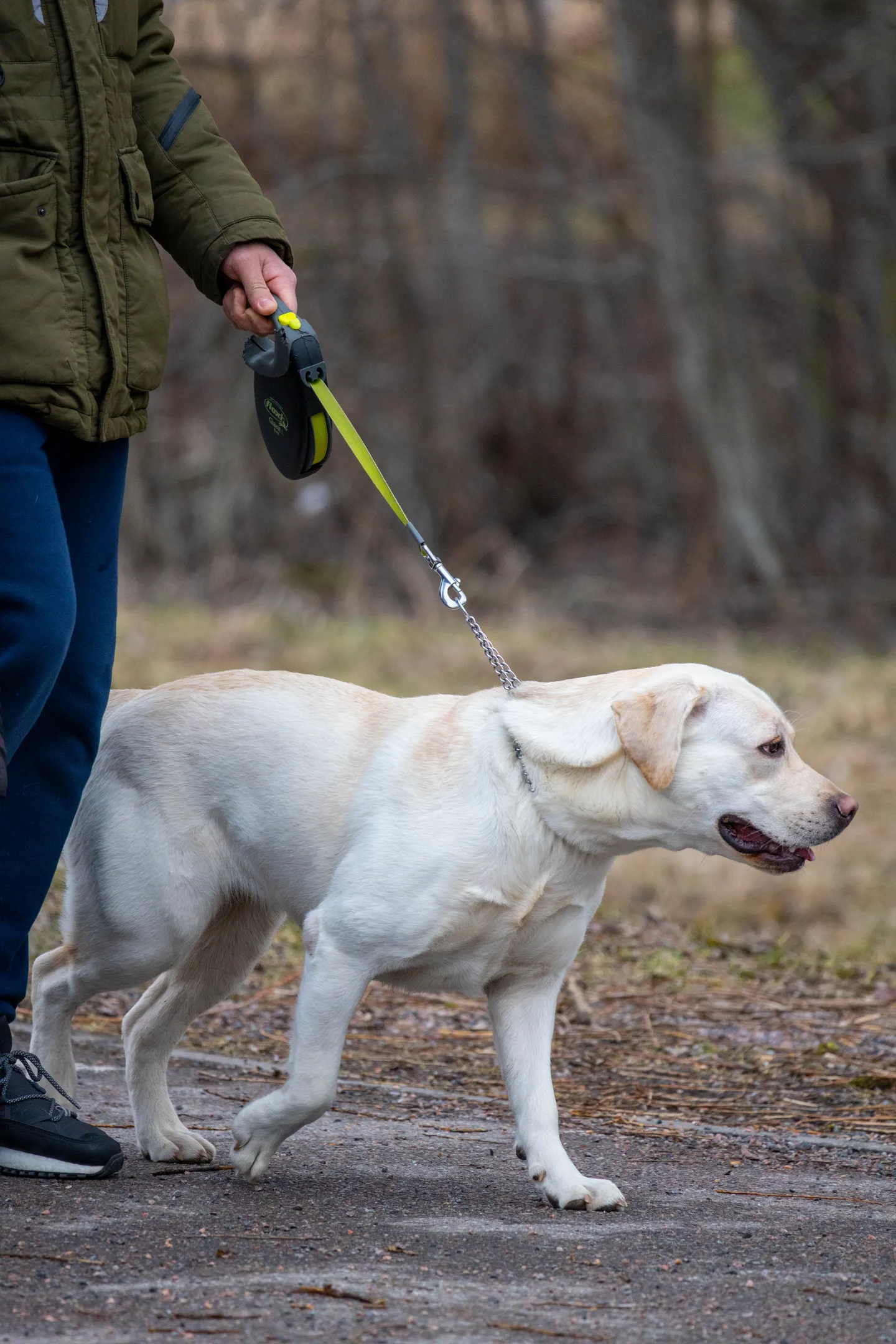
Psychiatric Service Dog Evaluation With a Licensed Professional
A psychiatric service dog (PSD) is a dog individually trained to perform specific tasks that help a person with a mental health disability. These tasks must relate to the handler’s disability and go beyond providing comfort or companionship. If your dog performs trained, disability-related work, an evaluation by a licensed mental health professional can help assess your need for a psychiatric service dog and provide documentation when clinically appropriate.
For dogs trained to perform disability-related tasks
Individual evaluation by a professional licensed in your state
Documentation typically within 24 hours after provider review, if you qualify
Full refund if you do not qualify
PawTenant connects eligible individuals with professionals licensed in their state for an individualized psychiatric service dog evaluation. Approval is never automatic, and documentation does not replace the training required for service-dog status.
PawTenant does not train, register, or certify dogs, and a PSD letter does not independently grant public-access rights.
One-time PSD documentation starts at $129 for up to two dogs. Payment is made at checkout before clinical review, and you receive a refund if you do not qualify.
Not sure whether a psychiatric service dog is right for you? If your animal mainly provides emotional comfort and companionship rather than performing trained tasks, consider our ESA letter online service instead.
Know the Difference: Psychiatric Service Dog vs. Emotional Support Animal
The main difference between a psychiatric service dog and an emotional support animal (ESA) is the work the animal is trained to perform. A psychiatric service dog performs specific tasks related to a disability, while an ESA provides emotional support through companionship.
Feature
Psychiatric service dog
Emotional support animal
Purpose
Performs trained tasks related to a disability
Provides emotional support through companionship
Training
Must be individually trained to perform disability-related work or tasks
Does not need task training to provide emotional support
Animal type
Dogs; miniature horses may qualify under limited ADA provisions
Dogs, cats, and other animals may qualify for housing consideration, depending on applicable rules
Public access
Generally permitted in places covered by the Americans with Disabilities Act (ADA)
No public-access rights under the ADA
Public documentation
Businesses generally cannot require documentation or ask for a demonstration; staff may ask two permitted questions
ESA documentation does not create service-animal access rights
Housing
Documentation may support a reasonable accommodation request
Documentation may support a reasonable accommodation request, subject to applicable law
Air travel
Airlines may require applicable U.S. Department of Transportation forms
Generally treated as pets under airline pet policies
An ESA and a PSD can both be important sources of support, but they serve different purposes. Read our guide to ESA letters vs. PSD letters for a closer comparison.
What Counts as a Trained Psychiatric Service Dog Task?
A psychiatric service dog task is a specific action the dog has learned to perform to help with a person’s disability. The action should be more than simply being nearby or providing comfort.
Examples of trained tasks may include:
Responding to panic or anxiety symptoms: Recognizing trained signals and taking a specific action to help the handler manage an episode.
Interrupting repetitive behaviors: Performing a trained response to interrupt certain repetitive, self-harming, or dissociative behaviors.
Providing deep pressure on cue: Applying trained pressure when requested to help the handler manage overwhelming symptoms.
Guiding the handler to a safer or quieter place: Helping the handler leave a crowded or overwhelming environment through a trained response.
Providing medication reminders: Responding to a cue or routine to remind the handler to take prescribed medication.
The exact tasks depend on the individual’s disability-related needs and the dog’s training. A dog that simply makes someone feel calmer through its presence may be an ESA rather than a psychiatric service dog.
If you are training your own dog, explore our guide to all about service dogs to understand the distinction between task training and emotional support.
A harness, vest, ID card, or certificate does not establish service-dog status. The dog’s individual training is what matters.
What PawTenant Does — and Does Not Do
PawTenant helps people explore whether their disability-related need for a dog may be appropriate for professional evaluation. The licensed professional makes the clinical decision independently.
What we do
Connect you with a mental health professional licensed in your state.
Arrange an individualized review of your disability-related need for a dog.
Provide signed PSD documentation when clinically appropriate.
Include a verification ID that a housing provider can use to check the documentation.
What we do not do
Train dogs or test their task performance.
Register or certify dogs as service animals.
Sell service-dog vests or ID cards as proof of status.
Create service-animal status or guarantee public access to businesses, restaurants, or flights.
A PSD evaluation focuses on your disability-related needs and the role your dog plays in assisting you. It does not replace the dog’s training or determine whether the dog can reliably perform the tasks needed in daily life.
PSD documentation may be relevant to a housing accommodation request. For information about the housing process, read our guide to ESA and housing rights. Housing requirements and protections can differ depending on the circumstances and applicable law.
How the PSD Evaluation Works
The psychiatric service dog evaluation process is designed to help determine whether documentation is clinically appropriate for your situation.
1
Confirm your state
Your assessment is matched with a professional licensed where you live. Licensing requirements matter because mental health professionals must follow the rules that apply to their practice.
2
Complete the PSD assessment
Answer questions about your mental health, daily life, disability-related needs, and the tasks your dog performs or is being trained to perform.
3
Choose a package and pay
Documentation starts at $129 for up to two dogs. You can review the total before paying at checkout.
4
Licensed professional review
A qualified professional reviews your answers individually and may ask follow-up questions. Payment does not guarantee approval.
5
Receive documentation if appropriate
If you qualify, documentation is typically provided within 24 hours after provider review. If you do not qualify, PawTenant provides a full refund.
Frequently Asked Questions
1. Is a PSD letter the same as service dog registration?
+
No. There is no official federal government registry required for service dogs under the ADA. Registration, certificates, ID cards, and vests do not make a dog a service animal. A PSD letter is documentation from a licensed professional concerning your disability-related need; it does not replace the dog’s individual task training.
2. Does a PSD letter give my dog public-access rights?
+
No. Public-access rights under the ADA depend on whether the dog meets the applicable service-animal definition, including being trained to perform work or tasks related to a disability. A letter alone does not create these rights, and businesses generally cannot require service-dog documentation as a condition of entry.
3. My dog is not trained yet. Should I start a PSD evaluation?
+
You can learn about the requirements before deciding whether to pursue an evaluation. However, a psychiatric service dog must be trained to perform disability-related tasks to qualify as a service dog under the ADA. If your dog is still learning, focus on appropriate training and consider whether your current needs are better addressed through another form of support.
4. Can I train my own psychiatric service dog?
+
Yes. The ADA does not generally require service dogs to be trained by a professional organization. Handlers may train their own dogs, provided the dog meets the applicable requirements. Training should develop reliable, disability-related tasks and appropriate behavior in public settings. An evaluation or letter does not verify that training has been completed.
5. What tasks can a psychiatric service dog perform?
+
Tasks depend on the handler’s disability-related needs. Examples include responding to the onset of a panic episode, interrupting certain trained behaviors, guiding a handler away from an overwhelming situation, applying deep pressure on cue, or providing medication reminders. Comfort and companionship alone are not trained tasks.
6. Can a landlord ask for PSD documentation?
+
A housing provider may be able to request reliable information when a disability-related need for an assistance animal is not apparent or already known, subject to applicable fair-housing rules. The exact requirements depend on the situation and governing law. A PSD letter may support a reasonable accommodation request, but it does not guarantee approval in every case. See our guide to ESA letters for landlords for more information about accommodation requests.
7. Can I fly with my psychiatric service dog?
+
Air travel rules differ from the ADA rules for public places. Airlines may require the applicable U.S. Department of Transportation service-animal form and may have procedures for confirming eligibility and travel arrangements. A PSD letter by itself does not guarantee airline acceptance. Review our airline pet policy guide before planning a trip.
8. How much does a PSD evaluation cost?
+
PawTenant's one-time PSD documentation starts at $129 for up to two dogs. The total is shown at checkout before you pay. Payment is collected before the clinical review, and you receive a full refund if the professional determines that you do not qualify. Approval is never automatic.
Related Guides
Explore these resources to understand the evaluation process, service-dog training, and housing considerations.
If your dog performs trained tasks related to your mental health disability, a professional evaluation can help determine whether PSD documentation is appropriate for your circumstances.
PawTenant connects you with a professional licensed in your state. The professional reviews your information individually, and documentation is provided only when clinically appropriate. If you do not qualify, you receive a full refund.
*Multi-dog letters cover up to three dogs on one letter where clinically appropriate. Annual plans renew automatically at the renewal price shown; cancel anytime from your account portal.