Licensed in Your State
Your assessment is reviewed by a professional licensed where you live.


Cats can provide comfort and emotional support to people living with mental or emotional health conditions. If your cat helps you manage symptoms that affect your daily life, an evaluation by a qualified professional licensed in your state can help determine whether an emotional support cat letter is appropriate for your situation.
Start Your ESA AssessmentAn ESA letter for housing can support a request for reasonable accommodation when a rental property has a no-pet policy, does not allow cats, or limits the number of animals tenants may keep. The letter should reflect an individual professional evaluation rather than an automatic approval or simple online registration.
With PawTenant, you can complete a confidential online assessment about your needs and your cat. If a licensed professional determines that ESA documentation is appropriate, the letter identifies you and the animal it covers.
Start your ESA assessment to find out whether an emotional support letter may be appropriate for you and your cat.
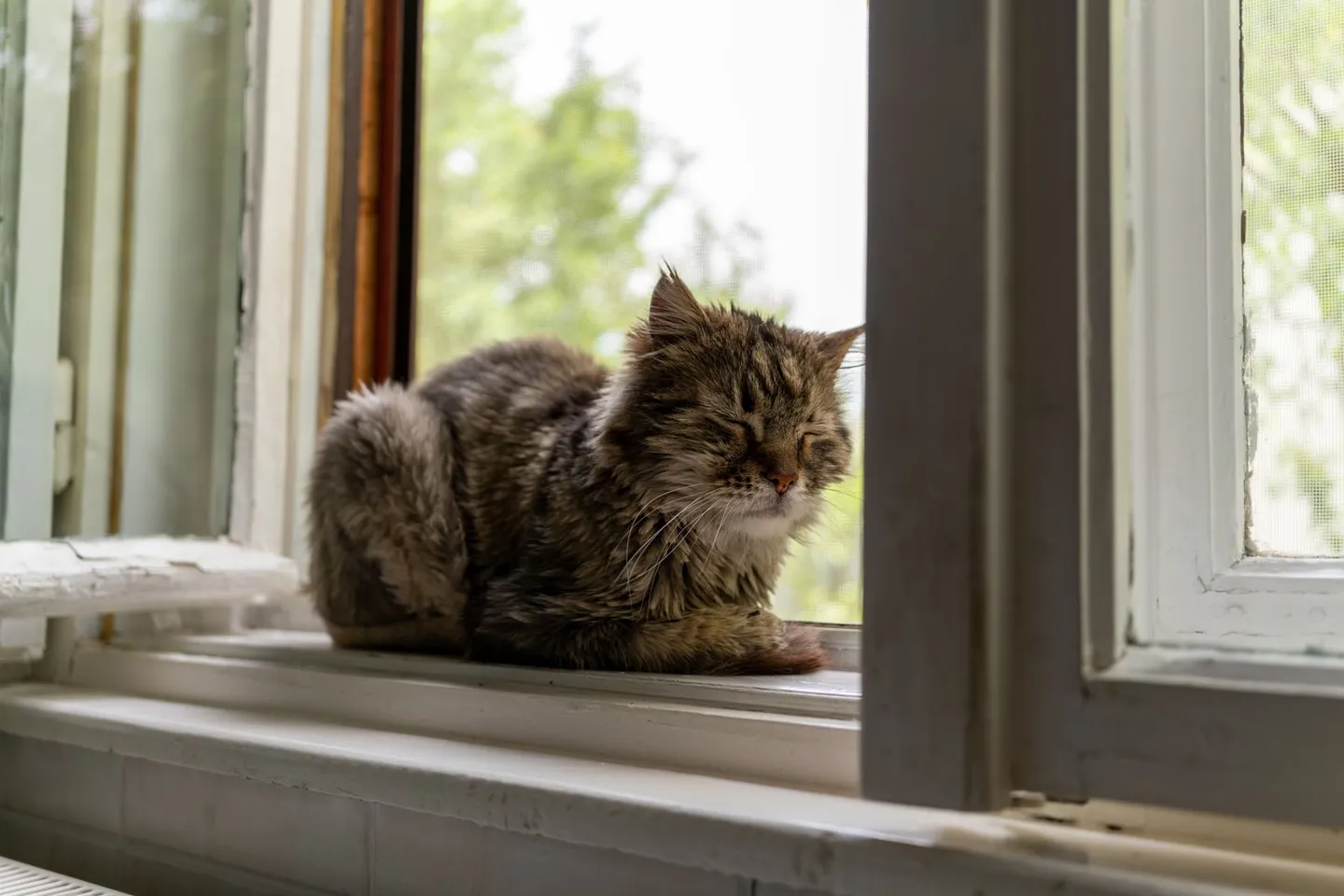
Your evaluation focuses on your mental or emotional health and the role your cat plays in supporting your well-being. A licensed professional reviews your information individually and determines whether documentation is clinically appropriate.
Your assessment is reviewed by a professional licensed where you live.
Your answers are considered individually. Approval is never automatic, and a provider may contact you for additional information.
If you qualify, your documentation includes identifying and verification information, such as the provider’s license details and other applicable credentials.
If your assessment is approved, documentation is typically available within 24 hours after provider review. Timing can vary depending on the review and any follow-up needed.
An emotional support animal (ESA) provides comfort and support related to a person's mental or emotional health. Cats can serve this role when a qualified professional determines that the animal is appropriate for the person's needs.
The evaluation is about you, not your cat's breed, age, appearance, or ability to perform trained tasks. The professional considers your circumstances and how your cat supports you in daily life.
You answer confidential questions about your mental and emotional health, daily experiences, and the support you receive from your cat. Your cat does not need to perform a task or demonstrate special behavior for the assessment.
If you qualify, the letter identifies you and the animal covered by the documentation. PawTenant offers a package for up to two cats on one letter, subject to the provider's determination and applicable requirements.
Unlike a service animal, an emotional support cat does not need to be trained to perform a specific disability-related task. Your cat should still be cared for responsibly and behave appropriately in your home and shared residential spaces.
There is no universal government-issued ESA registration that establishes housing accommodation rights. Online registries, certificates, ID tags, and vests do not replace an appropriate evaluation and supporting documentation. Learn more in our guide to service animals vs. emotional support animals.
An emotional support cat letter for housing can help support a reasonable accommodation request in covered housing. The appropriate process depends on the property, applicable law, and your circumstances. A letter is supporting documentation, not a guarantee that every request will be approved.
If your lease prohibits pets, you may be able to request a reasonable accommodation for an emotional support cat. Explain your request to your housing provider and supply reliable supporting documentation if requested. For practical guidance, read our guide to ESA letters for apartments.

Some properties allow dogs but restrict cats. If your cat provides disability-related emotional support, you can ask the housing provider to consider an accommodation to the cat restriction. The outcome depends on the applicable housing rules and the individual facts, including whether the accommodation is legally required.
If your building limits residents to one pet but you rely on two cats for emotional support, you may ask whether an exception is appropriate. PawTenant's $129 package covers up to two cats on one letter; however, the professional must determine whether the documentation is appropriate, and housing providers assess accommodation requests under applicable rules.
For a qualifying assistance-animal accommodation in housing covered by applicable fair housing laws, a housing provider generally cannot charge pet rent, pet fees, or a pet deposit for the assistance animal. This does not remove responsibility for actual damage or other valid lease obligations. Some housing and situations may be treated differently, so it is important to understand the rules that apply to your property.
Our guide to housing rights for emotional support animals explains the general principles involved.
Having an ESA letter does not exempt you from reasonable responsibilities as a tenant. You should:
PawTenant is not a law firm and does not provide legal advice. Whether a property is covered by fair housing requirements and how a request is handled depend on the property type, state and local law, and the individual facts.
Provide your state of residence so your assessment can be reviewed by a professional licensed where you live.
Complete approximately five minutes of confidential questions about your circumstances and the support your cat provides. You can also provide your cat's name and relevant details.
The $129 package covers up to two cats on one letter. A three-cat package is $149. Documentation depends on professional review and the provider's determination.
A qualified professional reviews your answers individually and may follow up if more information is needed. Payment does not guarantee that you will qualify.
If the professional determines that documentation is appropriate, your letter is typically available within 24 hours after provider review. If you do not qualify, PawTenant provides a full refund under the stated policy.
To understand the process in more detail, visit our guide on how to get an ESA letter online.
An ESA letter can support a housing accommodation request in appropriate circumstances, but it does not give your cat every right associated with an assistance animal.
Emotional support animals and service animals have different legal roles. Under the Americans with Disabilities Act (ADA), service animals are generally dogs trained to perform work or tasks for a person with a disability. A cat may provide emotional support but does not become an ADA service animal because it has an ESA letter.
An ESA letter does not give your cat a general right to enter stores, restaurants, workplaces, or other public places that do not allow pets. Access depends on the rules that apply to the location and the animal's legal status.
Airlines generally treat emotional support cats as pets for air travel rather than as service animals. Carrier requirements, fees, cabin restrictions, and other airline policies may apply. Before booking, review the relevant airline pet policies.
Yes. A cat can be an emotional support animal if a qualified professional determines that the animal provides support related to a person's mental or emotional health condition. The evaluation focuses on your individual circumstances, not simply on owning a cat.
No special task training is required for an emotional support cat. There is also no universal official ESA registry or certificate that creates housing rights. What matters is appropriate supporting documentation based on an individual evaluation, when required for a housing accommodation.
You may be able to request accommodation for two cats if your circumstances support the request and the applicable housing rules allow it. PawTenant offers a $129 package for up to two cats in one letter. The professional determines whether the documentation is appropriate, and the housing provider considers the request under applicable law.
For a qualifying assistance-animal accommodation in housing covered by applicable fair housing laws, landlords generally cannot charge pet rent, pet fees, or pet deposits for the assistance animal. You may still be responsible for damage caused by your cat. Coverage and requirements can vary depending on the property and circumstances.
It may help support a request for an exception to a no-cat rule. The housing provider must consider the request under the applicable laws and facts. An ESA letter does not guarantee approval, and some properties or situations may be exempt from certain requirements.
Not under the ADA's general definition of a service animal. ADA service animals are generally dogs trained to perform disability-related work or tasks. Cats can be emotional support animals, but an ESA letter does not give them the public-access rights of ADA service animals.
Yes, you may be able to fly with your cat, but airlines generally apply their pet travel policies to emotional support animals. You should check the airline's current rules for carriers, fees, cabin availability, and required arrangements before your trip.
Usually, your cat does not need to be physically present for you to answer the assessment questions. The evaluation focuses on your circumstances and the support your cat provides. The reviewing professional may request additional information if needed.

ESA Dogs vs. ESA Cats — Understand the differences between emotional support cats, dogs, and service animals.
Explore this guide
ESA Letters for Apartments — Learn how to approach a housing accommodation request.
Explore this guide
Housing Rights for ESAs — Explore the general housing protections and limitations that may apply.
Explore this guide
Landlord Denied an ESA Letter — Review practical next steps if a housing provider rejects your request.
Explore this guide
Airline Pet Policies — Understand the rules that may apply when flying with your cat.
Explore this guide
How to Get an ESA Letter Online — Learn about the online assessment and review process.
Explore this guideYour cat may play an important role in your emotional well-being. If you believe your cat supports a mental or emotional health condition, an individual evaluation can help determine whether an emotional support cat letter for housing is appropriate for you.
PawTenant's online assessment takes approximately five minutes. A professional licensed in your state reviews your information, and you receive documentation only if the professional determines that it is appropriate. If you do not qualify, you're refunded under the stated policy.
Start your ESA assessment to take the next step toward requesting housing accommodation for you and your cat.
Write a few notes you can refer to during the assessment. The licensed professional decides whether documentation is appropriate.
Think of two ordinary situations where your cat provides support. Note what happens, what you notice, and what remains difficult. If you are planning to adopt, explain that timing accurately.
Have your cat’s current name and basic details available. If adoption records use a different name, keep both names handy. A purchased registry entry, ID card, or certificate cannot replace the evaluation.
Keep any property form and deadline separate from your clinical notes. Ask who should receive the form and review the package details if you need help with it.