

PawTenant
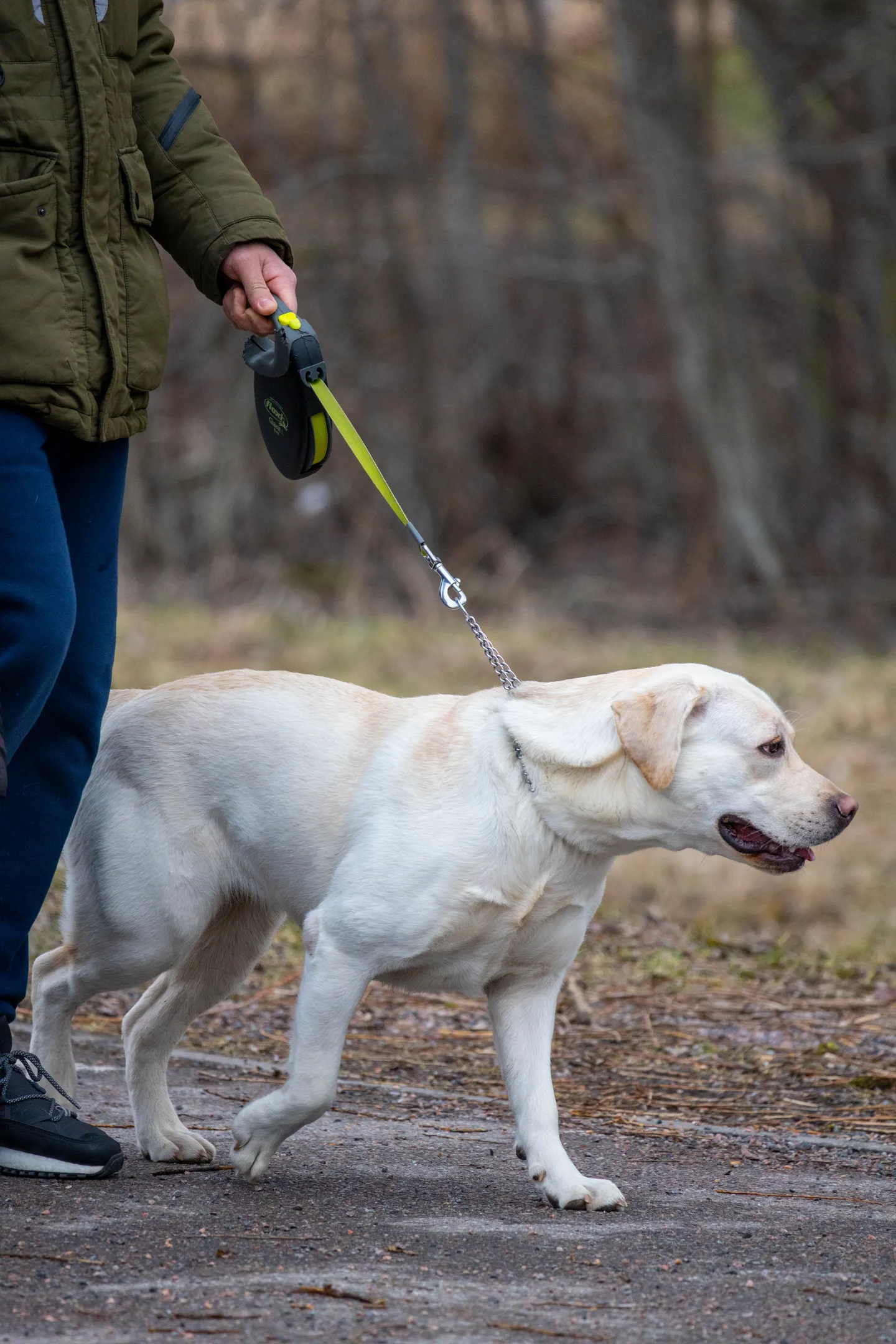
Walking with a dog outdoors

PSD Letter in Delaware: Psychiatric Service Dog Evaluation and Laws

A psychiatric service dog (PSD) and an emotional support animal (ESA) can both support people with mental health conditions, but they serve different roles. A PSD is individually trained to perform specific tasks related to a disability, while an ESA provides emotional comfort through companionship. Understanding this distinction can help Delaware residents determine which type of support may fit their needs.

Start Your PSD Assessment
  • All 50 StatesState-matched licensed care
  • Licensed Clinical ReviewIndependent eligibility decision
  • Verifiable LetterProvider and license details included
  • 24-Hour DeliveryAfter clinical approval

Trusted care. Verifiable documentation.

  • Licensed CliniciansEvaluations completed by professionals licensed in your state
  • Secure and Private ProcessHIPAA-conscious handling of your health information
  • Independent Letter VerificationHousing providers confirm the letter without seeing your health details

PSD vs ESA in Delaware

Psychiatric Service Dog (PSD)

  • Individually trained to perform tasks related to a disability
  • May have public-access rights under the Americans with Disabilities Act (ADA)
  • May qualify for a housing accommodation under the Fair Housing Act (FHA)
  • Requires task training; documentation alone does not make a dog a service animal
Retriever beside a table

Emotional Support Animal (ESA)

  • Provides emotional support through companionship
  • May qualify for a housing accommodation under the FHA
  • Does not have public-access rights under the ADA solely because of its ESA status
  • Does not require specialized task training

Both types of support may involve a licensed mental-health professional’s evaluation when documentation is needed. However, an ESA letter and a PSD letter in Delaware serve different purposes.

Looking for housing-related documentation? Learn more about our ESA Letter in Delaware.

Public access for a service dog depends on its task training, behavior, and applicable law. A letter, certificate, or identification card does not independently grant public-access rights.


Delaware PSD Laws & Protections

Delaware residents with disabilities are generally covered by federal protections under the ADA and FHA. These laws address different situations: the ADA governs access to many public places, while the FHA generally requires housing providers to consider reasonable-accommodation requests from eligible residents with disabilities.

Under the ADA, a psychiatric service dog must be individually trained to perform work or tasks related to a person’s disability. The dog must also be house-trained and under the handler’s control. An animal that provides comfort solely through its presence does not qualify as an ADA service animal on that basis alone.

The FHA may protect a resident who requests a reasonable accommodation for a disability-related need for an assistance animal, including a psychiatric service dog. Depending on the circumstances, a housing provider may need to make an exception to a no-pet policy and waive pet fees or deposits. Housing providers can consider applicable legal requirements and the information relevant to the request.

Key points for Delaware:

  • Federal ADA protections may allow a properly trained psychiatric service dog to accompany its handler in places open to the public.
  • Under the FHA, eligible residents can request a reasonable accommodation for a disability-related need for a PSD.
  • A PSD must be individually trained to perform specific tasks that help with a psychiatric disability.
  • A PSD letter records a provider’s evaluation; it does not train, register, or certify the dog.
  • Documentation does not guarantee acceptance by every landlord, airline, hotel, or business.

For a broader overview of service-animal rules, visit our Service Dogs Guide.

How the Delaware Evaluation Works

A licensed provider evaluates whether a psychiatric service dog may be clinically appropriate for your circumstances. Documentation is not guaranteed in advance; the outcome depends on the provider’s independent review.

  1. 1. Short Intake

    Complete a brief questionnaire describing your situation, mental-health needs, and how a psychiatric service dog might help you.

  2. 2. Licensed Provider Review

    A qualified mental-health professional reviews your information through telehealth. The provider must be appropriately licensed to serve you in Delaware.

  3. 3. Clinical Decision

    The provider determines whether a PSD is clinically appropriate based on the evaluation. If the provider determines that it is not appropriate, PawTenant’s stated refund policy applies.

  4. 4. Documentation Issued

    If the provider finds it appropriate, you receive documentation reflecting the evaluation. This document is not a service-dog registration, certificate, or identification card, and it does not replace task training.

What a PSD Letter Can & Cannot Do in Delaware

What it can do

  • Document a licensed provider’s evaluation of your disability-related need for a psychiatric service dog.
  • Support a housing reasonable-accommodation request under the FHA when documentation is relevant and appropriate.
  • Record a provider’s clinical recommendation when a PSD is considered appropriate.
  • Help organize information related to a disability-related housing request.
Man sitting on a porch beside his dog

What it cannot do

  • Train, register, or certify your dog. There is no official U.S. service-dog registry required by the ADA.
  • Automatically grant public access to restaurants, shops, workplaces, or other locations.
  • Guarantee approval by a landlord or another third party.
  • Replace the individual task training and behavior requirements applicable to an ADA service dog.

A PSD letter online can document an evaluation, but it cannot establish service-animal status by itself. If your primary need is an animal that provides comfort at home, an ESA evaluation may be more relevant. Read our guide on how to get a PSD letter to understand the process.

Examples of Psychiatric Service Dog Tasks

A psychiatric service dog is distinguished from an ESA by its individually trained work or tasks. The appropriate tasks depend on the handler’s disability-related needs and the dog’s training.

Deep Pressure Therapy (DPT)

Applying trained pressure with the dog’s body to help a handler manage certain episodes of distress.

Grounding Techniques

Performing a trained behavior, such as nudging or making contact, to help interrupt a dissociative episode.

Alerting to Anxiety

Recognizing trained cues or signs of an emerging episode and alerting the handler.

Medication Reminders

Performing a trained signal or prompting behavior to remind the handler about scheduled medication.

Room Searching

Performing a trained check of an area to help a handler manage certain disability-related symptoms, such as hypervigilance.

Creating Space

Positioning in a trained way to help the handler maintain personal space in crowded settings.

These are examples, not a list of tasks every PSD must perform. Task training is separate from a provider’s clinical evaluation and any related documentation.

What a Psychiatric Service Dog May Mean in Delaware

Licensed Provider Evaluation

A qualified mental-health professional reviews whether a psychiatric service dog may be appropriate for your needs. An evaluation should reflect your individual circumstances rather than a predetermined outcome.

Housing Accommodation Support

If you have a disability-related need for a PSD, the FHA may provide a basis for requesting reasonable accommodation from a housing provider. The circumstances and applicable legal requirements determine how the request is handled.

Task-Based Support

A PSD may be trained to interrupt certain episodes, provide grounding, or perform other disability-related tasks. The training should address the handler’s specific needs.

Why PawTenant for Your Delaware PSD Evaluation?

Licensed Mental-Health Professionals

PawTenant connects individuals with providers for an evaluation based on their circumstances. Your evaluation should be conducted by a professional appropriately licensed to provide services in Delaware.

Task-Training Guidance

Learn how PSD task training differs from emotional support. Documentation does not train or certify your dog; training must be addressed separately.

Providers Across States

PawTenant works with providers across the United States. Provider availability and eligibility depend on the service and your location.

Secure Telehealth

Telehealth can make it easier to begin the evaluation process remotely. Review PawTenant’s privacy information to understand how your personal information is handled.

Refund If You Don’t Qualify

PawTenant states that if the provider determines a PSD is not clinically appropriate, its refund policy applies. Review the applicable terms before beginning the process.

PSD Letter FAQ — Delaware

1. Can I get a PSD letter online in Delaware?

You can begin an evaluation online through telehealth, subject to provider availability and eligibility. A qualified mental-health professional reviews your circumstances and decides whether a psychiatric service dog is clinically appropriate. Documentation is provided only when supported by the evaluation, and it does not replace task training.

2. Is a PSD letter the same as an ESA letter in Delaware?

No. A PSD letter documents an evaluation related to a psychiatric service dog, which must be individually trained to perform tasks related to a disability for ADA service-animal status. An ESA letter relates to an animal that provides emotional support and may support a housing accommodation request under the FHA. An ESA does not gain ADA public-access rights simply because it has a letter.

3. Do I need a licensed provider for PSD documentation in Delaware?

If you are seeking clinical documentation of a disability-related need, an evaluation by an appropriately licensed professional can help establish whether a PSD is suitable for your circumstances. A provider’s documentation does not certify the dog or grant public access. The dog’s task training and behavior remain important under the ADA.

4. Does a PSD letter train or certify my dog?

No. A PSD letter records a provider’s evaluation or recommendation; it does not train, register, or certify your dog. The ADA does not require service dogs to be registered or carry a particular certificate or ID. For ADA public-access purposes, a psychiatric service dog must be individually trained to perform disability-related tasks and remain under the handler’s control.

Important: A PSD letter documents a provider’s evaluation. It is not a registration, certificate, or ID card and does not train your dog. Under the ADA, a psychiatric service dog must be individually trained to perform tasks related to a disability and must be under the handler’s control. Public-access rights depend on the applicable law, training, and behavior. No documentation can guarantee acceptance by every landlord, airline, hotel, business, or other third party. PawTenant provides educational information and connects individuals with providers; it is not a law firm and does not provide legal advice.

Start Your Delaware PSD Evaluation

Connect with a provider to begin an evaluation and learn whether a psychiatric service dog may be appropriate for your circumstances.

Licensed provider evaluation · Telehealth options · Refund policy if you don’t qualify

Simple, Transparent PSD Pricing

Choose Your Psychiatric Service Dog Letter Plan

One-time letters and annual plans — each includes a licensed professional and our money-back guarantee. No hidden fees.

PSD Letter

For up to 2 dogs

$129one-time
  • Licensed provider evaluation
  • Signed PSD documentation letter
  • Typically delivered within 24 hours
  • Verification ID in your customer portal
  • Housing & travel documentation support
  • Full refund if you don't qualify
  • Free PSD Training Workbook by PawTenant — downloadable immediately after payment
Start Your Evaluation
Most Popular

PSD Annual Plan

For up to 2 dogs

$115first year
Renews at $100/year for 1 dog or $115/year for 2 dogs, beginning in year two
  • Annual evaluation & updated documentation
  • Renewal reminders before your letter expires
  • Automatic yearly renewal — cancel anytime
  • Priority scheduling — no waitlist
  • Everything in the PSD Letter plan
  • Free PSD Training Workbook by PawTenant — downloadable immediately after payment
Choose Annual

Three-Dog PSD Letter

For exactly 3 dogs

$149one-time · fixed total

Prefer annual for 3 dogs? $135 first year, then $115/year.

  • One evaluation covering 3 dogs*
  • Signed PSD documentation letter
  • Verification ID in your customer portal
  • Housing & travel documentation support
  • Free PSD Training Workbook by PawTenant — downloadable immediately after payment
Start Multi-Dog

*Multi-dog letters cover up to three dogs on one letter where clinically appropriate. Annual plans renew automatically at the renewal price shown; cancel anytime from your account portal.

  • VISA
  • AMEX
  • DISCVER