

PawTenant
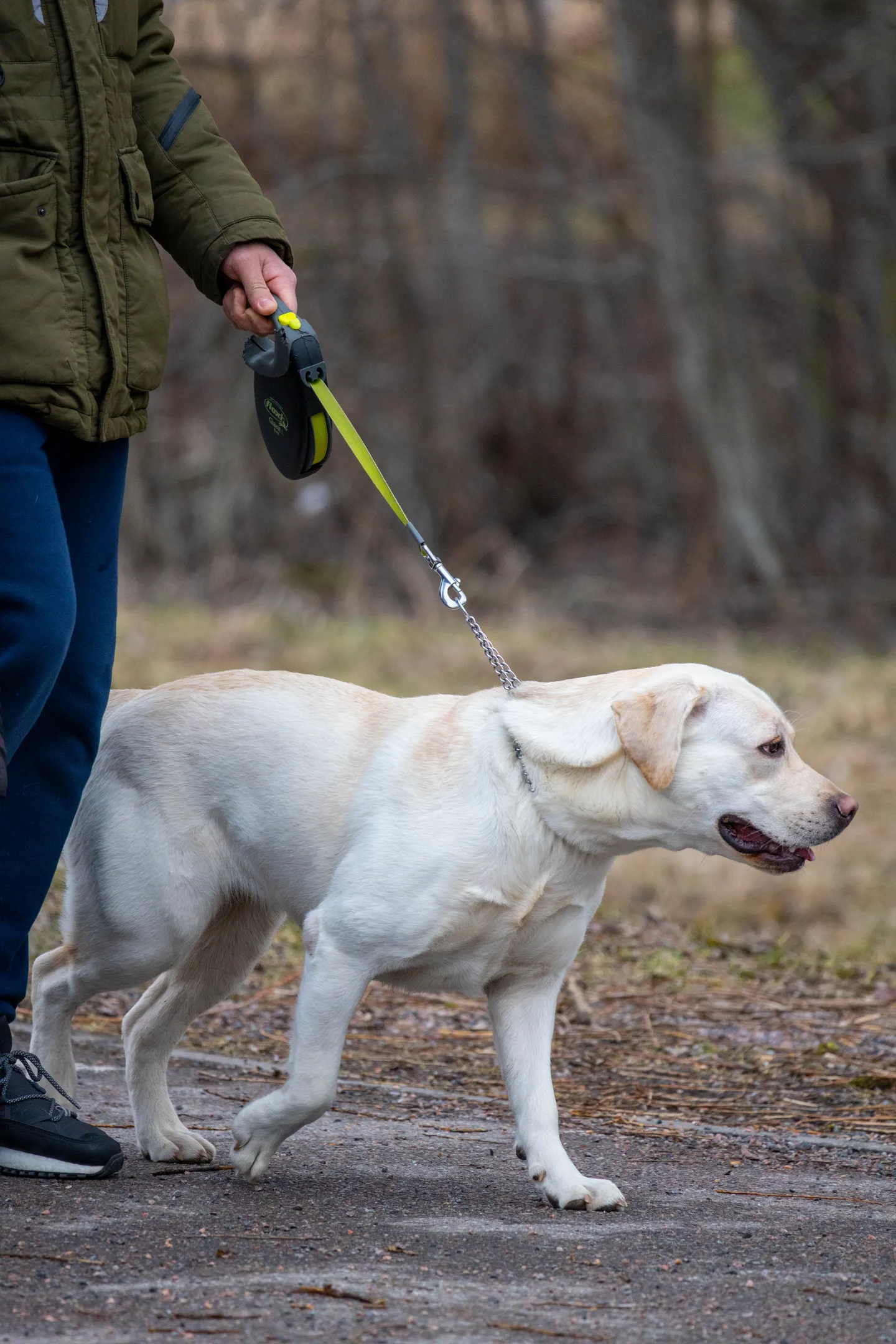
Walking with a dog outdoors

PSD Letter in West Virginia

A psychiatric service dog (PSD) and an emotional support animal (ESA) serve different purposes. A PSD is individually trained to perform specific tasks related to a person’s psychiatric disability. An ESA provides emotional comfort through companionship but does not require task training.

Start Your PSD Assessment
  • All 50 StatesState-matched licensed care
  • Licensed Clinical ReviewIndependent eligibility decision
  • Verifiable LetterProvider and license details included
  • 24-Hour DeliveryAfter clinical approval

Trusted care. Verifiable documentation.

  • Licensed CliniciansEvaluations completed by professionals licensed in your state
  • Secure and Private ProcessHIPAA-conscious handling of your health information
  • Independent Letter VerificationHousing providers confirm the letter without seeing your health details

PSD vs ESA in West Virginia

Psychiatric Service Dog (PSD)

  • Individually trained to perform disability-related tasks
  • May qualify for public access under the Americans with Disabilities Act (ADA)
  • May receive housing accommodations under the Fair Housing Act (FHA)
  • Requires appropriate task training; a provider evaluation may document clinical need
Retriever beside a table

Emotional Support Animal (ESA)

  • Provides emotional support through companionship
  • May qualify for housing accommodation under the FHA
  • Does not have public-access rights under the ADA simply because it provides emotional support
  • Does not require specialized task training

Looking for an ESA letter in West Virginia? Visit our ESA Letter in West Virginia page to learn about the evaluation process.

Public access for a service dog depends on its training, behavior, and applicable law. A letter, certificate, or ID card alone does not grant public access.


West Virginia PSD Laws & Protections

West Virginia residents are covered by federal protections under the ADA and FHA. Under the ADA, a psychiatric service dog that is individually trained to perform tasks for a person with a disability may accompany its handler in most places open to the public, provided the dog meets applicable behavior and control requirements.

Under the FHA, housing providers generally must consider reasonable-accommodation requests for assistance animals, including qualifying psychiatric service dogs. Whether an accommodation is required depends on the circumstances and applicable law.

Key points for West Virginia:

  • The federal ADA and FHA provide important protections for eligible people with disabilities.
  • Housing providers generally cannot charge pet fees or deposits for an assistance animal approved as a reasonable accommodation.
  • A PSD must be individually trained to perform tasks that help with a psychiatric disability.
  • Public-access rights depend on the dog's task training, behavior, and applicable law—not on documentation alone.
  • A PSD letter may document a provider’s evaluation, but it does not register, certify, or train a dog.
  • No letter can guarantee acceptance by every landlord, airline, hotel, or business.

Learn more about the differences between assistance animals in our Service Dogs Guide.

How the West Virginia Evaluation Works

A licensed provider reviews whether a psychiatric service dog may be clinically appropriate for your situation. Documentation is not guaranteed in advance; the decision depends on the provider’s evaluation.

1. Short Intake

Complete a brief questionnaire about your situation, your mental-health needs, and how a psychiatric service dog might help with everyday activities.

2. Licensed Provider Review

A qualified mental-health professional reviews the information through telehealth. The provider must be appropriately licensed to serve you in West Virginia.

3. Clinical Decision

The provider determines whether a PSD is clinically appropriate based on the information reviewed. The outcome is not predetermined.

4. Documentation Issued

If appropriate, you receive documentation reflecting the provider’s evaluation. This documentation is not a registration, certificate, or service-dog ID and does not replace task training.

Set Expectations

What a PSD Letter Can & Cannot Do in West Virginia

What it can do

  • Document a licensed provider’s evaluation of your mental-health needs and the potential role of a psychiatric service dog.
  • Support a housing reasonable-accommodation request under the FHA when documentation is appropriate and requested.
  • Record a provider’s clinical recommendation when a PSD is considered appropriate.
  • Help explain the disability-related need for an assistance animal in a housing accommodation process, subject to applicable requirements.
Man sitting on a porch beside his dog

What it cannot do

  • Train, certify, or register your dog. There is no official U.S. service-dog registry that grants legal status.
  • Guarantee approval from a landlord, airline, hotel, business, or other third party.
  • Grant public access on its own. Under the ADA, public access depends on the dog's qualification as a service animal and compliance with applicable requirements.
  • Replace the individual task training required for a psychiatric service dog.
  • Guarantee a housing accommodation in every situation; applicable rules and the facts of the request matter.

For more information about the evaluation process, visit our guide on How to Get a PSD Letter.

Examples of Psychiatric Service Dog Tasks

A psychiatric service dog performs specific tasks that help a person manage the effects of a psychiatric disability. These trained tasks distinguish a PSD from an ESA. The appropriate tasks vary by the individual’s needs, and documentation does not provide the training.

Deep Pressure Therapy (DPT)

Applying trained pressure or body weight to help a handler manage certain episodes of distress.

Grounding Techniques

Using trained contact or other behaviors to help interrupt or respond to a dissociative episode.

Alerting to Anxiety

Responding to trained cues or observable signs associated with a psychiatric episode to alert the handler.

Medication Reminders

Performing a trained behavior that prompts the handler to take medication.

Room Searching

Performing a trained check of an area for handlers whose disability-related needs make this task helpful.

Creating Space

Positioning in a trained manner to help a handler maintain personal space in crowded settings.

A task should be specifically trained to assist with a disability-related need. A dog’s calming presence alone does not make it a psychiatric service dog.

What a Psychiatric Service Dog May Mean in West Virginia

Licensed Provider Evaluation

A provider appropriately licensed to serve West Virginia residents reviews whether a psychiatric service dog may be clinically appropriate. Documentation is issued only when supported by the evaluation.

Housing Accommodation Support

The FHA may protect eligible residents who request a reasonable accommodation for an assistance animal. Housing providers generally must assess qualifying requests individually rather than treating an assistance animal as an ordinary pet.

Task-Based Support

A PSD may be trained to interrupt certain behaviors, assist with grounding, provide trained deep-pressure support, or perform another task related to a psychiatric disability. The tasks depend on the handler’s needs.

Why PawTenant for Your West Virginia PSD Evaluation?

Licensed Mental-Health Professionals

PawTenant connects people with licensed providers who can review their situations. A provider’s evaluation—not a guaranteed outcome—determines whether documentation is appropriate.

Task-Training Guidance

We help explain the difference between a provider evaluation and service-dog training. A PSD must be individually trained to perform disability-related tasks; documentation does not train or certify the dog.

Providers in Every State

PawTenant works with providers across the United States. Your evaluation should be conducted by a professional qualified and licensed to serve you in West Virginia.

HIPAA-Secure Telehealth

Telehealth consultations are intended to protect the privacy of your personal information. Review the applicable privacy information and service terms before starting an evaluation.

Refund If You Don't Qualify

If the provider determines that a PSD is not clinically appropriate, PawTenant’s stated refund policy applies. Review the service terms for the conditions and details.

PSD Letter FAQ — West Virginia

1. Can I get a PSD letter online in West Virginia?

You can begin an evaluation online through telehealth with a provider appropriately licensed to serve West Virginia residents. The provider reviews your situation and determines whether a psychiatric service dog is clinically appropriate. Documentation is issued only when supported by that evaluation.

2. Is a PSD letter the same as an ESA letter in West Virginia?

No. A PSD letter documents a provider’s evaluation related to a psychiatric service dog, which must be trained to perform disability-related tasks. An ESA letter generally documents a need for emotional support from an animal. ESAs do not receive public-access rights under the ADA simply because they provide comfort. Housing protections may apply to qualifying animals under the FHA.

3. Do I need a licensed provider for PSD documentation in West Virginia?

If you are seeking clinical documentation of your need for a psychiatric service dog, an evaluation by an appropriately licensed mental-health professional can help establish whether the recommendation is clinically appropriate. The provider must be qualified to serve you in West Virginia. A letter alone does not make an untrained dog a service animal.

4. Does a PSD letter train or certify my dog?

No. A PSD letter documents a provider’s evaluation; it does not train, certify, or register your dog. A psychiatric service dog must be individually trained to perform tasks related to a disability. Under the ADA, public access also depends on applicable requirements, including the dog being under control and house-trained.

Important: A PSD letter documents a provider’s evaluation. It is not a registration, certificate, or ID card, and it does not train your dog. Under the ADA, a psychiatric service dog must be individually trained to perform disability-related tasks and meet applicable public-access requirements. No documentation can guarantee acceptance by every landlord, airline, hotel, business, or other third party. PawTenant provides educational information and connects people with providers; it is not a law firm and does not provide legal advice.

Start Your West Virginia PSD Evaluation

Licensed provider review · Telehealth evaluation · Clinical decision based on your circumstances

Simple, Transparent PSD Pricing

Choose Your Psychiatric Service Dog Letter Plan

One-time letters and annual plans — each includes a licensed professional and our money-back guarantee. No hidden fees.

PSD Letter

For up to 2 dogs

$129one-time
  • Licensed provider evaluation
  • Signed PSD documentation letter
  • Typically delivered within 24 hours
  • Verification ID in your customer portal
  • Housing & travel documentation support
  • Full refund if you don't qualify
  • Free PSD Training Workbook by PawTenant — downloadable immediately after payment
Start Your Evaluation
Most Popular

PSD Annual Plan

For up to 2 dogs

$115first year
Renews at $100/year for 1 dog or $115/year for 2 dogs, beginning in year two
  • Annual evaluation & updated documentation
  • Renewal reminders before your letter expires
  • Automatic yearly renewal — cancel anytime
  • Priority scheduling — no waitlist
  • Everything in the PSD Letter plan
  • Free PSD Training Workbook by PawTenant — downloadable immediately after payment
Choose Annual

Three-Dog PSD Letter

For exactly 3 dogs

$149one-time · fixed total

Prefer annual for 3 dogs? $135 first year, then $115/year.

  • One evaluation covering 3 dogs*
  • Signed PSD documentation letter
  • Verification ID in your customer portal
  • Housing & travel documentation support
  • Free PSD Training Workbook by PawTenant — downloadable immediately after payment
Start Multi-Dog

*Multi-dog letters cover up to three dogs on one letter where clinically appropriate. Annual plans renew automatically at the renewal price shown; cancel anytime from your account portal.

  • VISA
  • AMEX
  • DISCVER