
ESA in NYC Apartments 2026: Co-ops, Rent-Stabilized & NYCHA Housing Guide
Sarah Mitchell
Licensed Clinical Psychologist
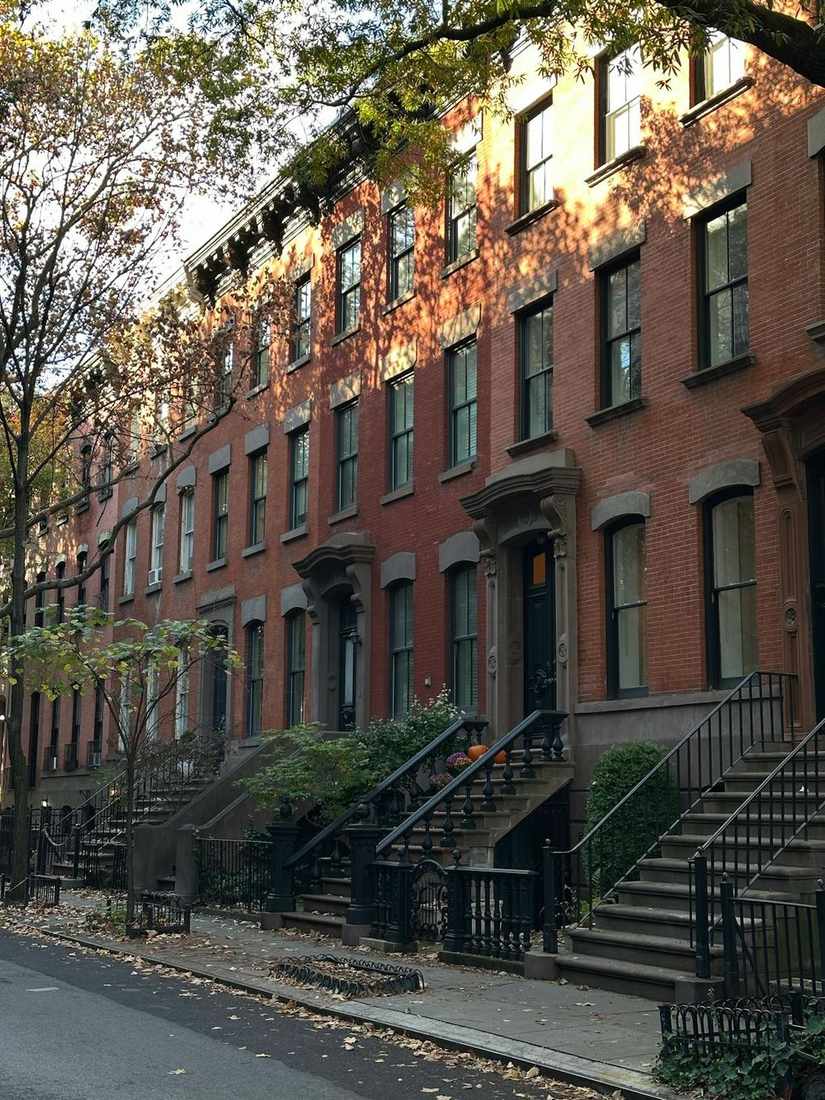
New York City's housing market is unlike any other in the United States — co-ops, rent-stabilized apartments, NYCHA public housing, and luxury high-rises all have different ESA dynamics. This 2026 guide breaks down what NYC renters and owners actually need to know.
Why NYC Is the Most Complex ESA Market in the US
New York City's housing market is uniquely complex when it comes to ESA accommodation — more so than any other city in the United States. NYC has three overlapping legal frameworks: the federal Fair Housing Act, the New York State Human Rights Law (HRL) enforced by the NY Division of Human Rights, and the New York City Human Rights Law (NYCHRL) enforced by the NYC Commission on Human Rights. The NYCHRL is broadly considered the most powerful local anti-discrimination law in the country — providing stronger remedies, broader definitions, and more generous coverage than state or federal law. Additionally, NYC's unique housing mix — co-op apartments (which function very differently from standard rentals), rent-stabilized and rent-controlled apartments, NYCHA public housing, standard market-rate rentals, and condominiums — each interacts with ESA law differently. This guide breaks down each type.
Co-op Apartments and ESAs: The Most Complex NYC Housing Type
Co-op apartments are the most complicated housing situation for NYC ESA owners. In a co-op, residents own shares in a corporation that owns the building — they don't own real estate, they own corporate shares. This distinction has historically been used by co-op boards to argue that the FHA's housing protections don't apply to them in the same way. However, HUD guidance and New York courts have consistently held that most NYC co-ops ARE subject to the FHA, the NY HRL, and the NYCHRL for ESA accommodation purposes. Co-op boards cannot simply apply their house rules' no-pet provisions against ESA accommodation requests — they must engage in an interactive process and evaluate requests on an individualized basis. The practical reality: co-op boards in NYC are more resistant to ESA requests than standard rental landlords, and they are more likely to ask detailed questions. Having a very well-documented ESA letter with specific clinical rationale is critical in the co-op context. Many NYC ESA owners in co-ops have successfully enforced their rights through NYCHRL complaints — which carry particularly strong remedies.
Rent-Stabilized Apartments: ESA Rights in NYC's Regulated Housing
New York City has approximately one million rent-stabilized apartments — units subject to state-mandated rent increase limits under the Rent Stabilization Law. Rent-stabilized tenants who need ESA accommodation have all three layers of legal protection (FHA, HRL, NYCHRL), and in practice have an additional advantage: their leases are generally more secure and rent-stabilized landlords face greater regulatory exposure overall. Most rent-stabilized NYC buildings are managed by companies with significant exposure to city regulatory oversight — making those landlords generally more careful about complying with fair housing laws, including ESA accommodation. Rent-stabilized tenants should submit their ESA accommodation request in writing (email is fine) and keep documentation. If a rent-stabilized landlord refuses, the NYCHRL complaint process is particularly effective because rent-stabilized landlords typically cannot afford reputational or regulatory damage from a human rights complaint.
NYCHA Public Housing: ESA Rights for NYC Public Housing Residents
The New York City Housing Authority (NYCHA) manages more than 177,000 apartments across 335 developments — making it the largest public housing authority in the United States. NYCHA tenants with disabilities have ESA accommodation rights under Section 504 of the Rehabilitation Act (which applies to federally funded housing), the FHA, and the NYCHRL. NYCHA has a formal Reasonable Accommodation Coordinator function, and ESA accommodation requests should be submitted through NYCHA's official accommodation request process — not directly to a development management office. NYCHA's response timeline for accommodation requests has historically been slow (60-90 days is not uncommon), and NYCHA tenants whose ESA accommodation requests are delayed excessively should file a complaint with the NYC Commission on Human Rights or the HUD New York regional office. Legal Aid Society's housing unit in New York City has extensive experience with NYCHA ESA accommodation requests and provides free legal assistance to qualifying NYCHA tenants.
Still unsure if you qualify?
Take our free 2-minute assessment. Get your ESA letter same-day from a licensed professional — 100% money-back guarantee.
The NYCHRL Advantage: NYC's Strongest Legal Protection
For NYC ESA owners, the New York City Human Rights Law is the most powerful legal tool available — and understanding it matters. The NYCHRL is explicitly interpreted more broadly than federal law by New York courts. Under the NYCHRL standard, a landlord's refusal to accommodate an ESA is unlawful discrimination unless the landlord can demonstrate that accommodation poses an undue hardship — and the NYCHRL's undue hardship standard is significantly harder to meet than the federal equivalent. NYCHRL remedies include uncapped compensatory damages (including emotional distress damages), civil penalties of up to $250,000 for willful violations, and attorney fees. The NYC Commission on Human Rights is an exceptionally active enforcement body — it processes thousands of housing discrimination complaints annually and regularly awards significant damages in ESA-related cases. For NYC ESA owners who face resistance, a NYCHRL complaint is often the most effective enforcement tool available.
Neighborhood-by-Neighborhood: Manhattan, Brooklyn, Queens & the Bronx
ESA accommodation dynamics vary across NYC's boroughs and neighborhoods. Manhattan: large institutional landlords in Midtown, the Upper West Side, Upper East Side, and downtown have standardized accommodation processes. Chelsea, Hell's Kitchen, and the Financial District's luxury buildings typically respond within 5-10 business days. The Village neighborhoods and Harlem have more mixed landlord profiles. Brooklyn: the Brooklyn rental market is the most diverse in the city — the professionally managed new developments in DUMBO, Williamsburg, and Greenpoint process ESA requests efficiently; the brownstone and mixed-use buildings of Park Slope, Carroll Gardens, and Crown Heights have more individual landlord variation. Queens: Jackson Heights, Astoria, Long Island City, and Flushing all have significant ESA accommodation activity. The Long Island City luxury market is professionally managed; other Queens neighborhoods have more variation. The Bronx: the Bronx has a higher proportion of NYCHA and subsidized housing, where the accommodation process routes through NYCHA or the relevant housing authority. Private market Bronx rentals follow the same NYCHRL framework as the rest of the city.
Getting an ESA Letter for NYC Housing in 2026
NYC landlords — particularly co-op boards — are the most sophisticated ESA letter reviewers in the country. They know what a compliant letter looks like, they verify licenses, and they notice deficiencies that a smaller-city landlord might miss. For NYC housing, your ESA letter needs to be from a New York-licensed mental health professional, include the provider's license type, number, and state; be dated within the last 12 months (many NYC landlords, particularly co-op boards, now request letters dated within 90 days for competitive buildings); articulate a specific clinical connection between your disability and the therapeutic need for your ESA; and be written on the provider's professional letterhead. PawTenant's New York-licensed LMHPs produce letters specifically structured to meet NYC standards — including co-op board scrutiny levels. For co-op building clients specifically, we recommend the most detailed version of our letter that articulates clinical rationale most clearly.
Tags
ESA Letters by State
Get state-specific ESA housing guidance
More New York ESA Guides
5 articles covering New York housing rights